In a world where digital connection often precedes a face-to-face meeting, dating apps have evolved from a niche novelty into a dominant force in modern romance. Nearly everyone has a story, an opinion, or a friend-of-a-friend’s wild tale about swiping for love. But beyond the personal anecdotes lies a fascinating world of data that reveals how we connect, what we prioritize, and the surprising truths behind the profiles.
This year’s numbers paint a picture that’s more complex and nuanced than ever before. We’re moving past the simple question of “who’s on what app?” and diving into the behaviors, financial commitments, and ultimate outcomes of digital dating. The statistics uncovered are not just interesting trivia; they reflect significant shifts in social and romantic behaviors across the United States.
The Immense Scale of Digital Dating
First, it’s crucial to grasp the sheer magnitude of the online dating scene. It’s not a small pond; it’s a global ocean. In the U.S. alone, over 30% of adults say they have used a dating app or site, and for adults under 30, that number jumps to nearly 50%. This high adoption rate has fueled a multi-billion dollar industry, with user spending on in-app features and premium subscriptions continuing to climb annually.
This isn’t just a fleeting trend. The data indicates that online dating has become one of the most common ways for couples to meet, rivaling and in some demographics surpassing traditional methods like introductions through friends or meeting at public places.
A Demographic Deep Dive: Who Is Actually Swiping?
While the user base is vast, it isn’t uniform. Different platforms attract different crowds, and user demographics reveal a lot about their respective ecosystems.
Age, Identity, and Generational Divides
Millennials remain the core demographic, having come of age as this technology became mainstream. However, Gen Z users are the fastest-growing segment, bringing with them a different set of expectations focused on authenticity and more fluid identity labels. Interestingly, there’s also a steady growth in users aged 50 and above, showing that the search for digital companionship is truly ageless. Users are increasingly open about their relationship goals, with a significant portion stating they are looking for something serious, debunking the myth that all apps are just for casual encounters.
Gender Distribution and Behavioral Gaps
The user experience often differs significantly based on gender. Data consistently shows that men are more likely to swipe right on a larger percentage of profiles, whereas women tend to be more selective. This creates a dynamic where many men report frustration over a lack of matches, while many women report feeling overwhelmed by the volume of attention. This behavioral gap is a central challenge that app developers are constantly trying to solve with new algorithms and features.
The Most Popular Platforms: A Comparative Snapshot
Not all apps are created equal. The market leaders each cater to a slightly different audience and purpose. Here’s a quick breakdown of the titans of the industry.
| Dating App | Key Differentiator | Primary U.S. Audience |
|---|---|---|
| Tinder | The “Swipe” Pioneer; Largest User Base | 18-25, Broad appeal, Casual to Serious |
| Bumble | Women Make the First Move | 25-35, Educated Professionals, Relationship-focused |
| Hinge | “Designed to be Deleted”; Prompt-based Profiles | 25-35, Serious Relationships, Urban Dwellers |
Beyond the Swipe: Key User Behavior Statistics
The most revealing data often comes from how people use the apps, not just who is on them. These behaviors highlight the unwritten rules and psychological impacts of online dating.
- The Reality of “Ghosting”: One of the most talked-about phenomena is also one of the most common. Recent surveys indicate that around 80% of dating app users have experienced being “ghosted” (having someone suddenly cease all communication without explanation).
- First Message Matters: Data from multiple apps show that profiles with a personalized opening message, rather than a generic “hey,” see a significantly higher response rate. Mentioning something specific from the other person’s profile is key.
- Photo Power: It remains the most critical profile element. Profiles with 4-6 varied photos (a mix of headshots, full-body shots, and activity-based pictures) perform best. Surprisingly, profiles featuring group photos as the first picture have a much lower success rate.
- The Burnout is Real: A growing number of users report feeling “dating app burnout.” A study by eHarmony suggests that this feeling of exhaustion and pessimism is a major reason why users take breaks or delete apps altogether.
The Financial Side of Finding Love
Dating is an investment, and that’s truer than ever in the digital age. While most apps operate on a “freemium” model, their revenue statistics show that users are more than willing to pay for an advantage.
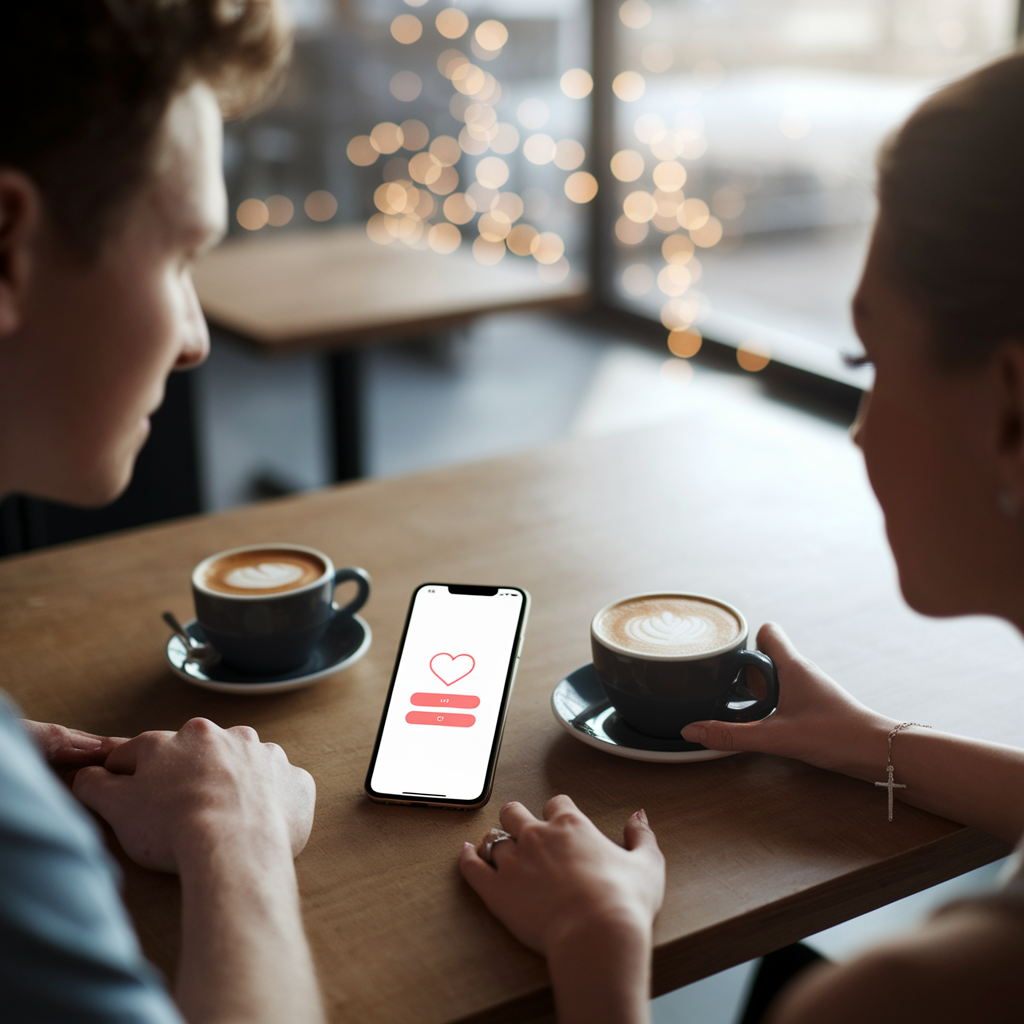
Features like “Super Likes,” profile “Boosts,” and the ability to see who has liked you are powerful motivators. The average paying user in the U.S. spends over $240 per year on subscriptions and in-app purchases. This willingness to invest financially underscores the seriousness with which many users approach their search for a partner.
So, Does It Actually Work? Success Rates and End Goals
This is the ultimate question, and the data provides a hopeful, if complex, answer. Success is subjective, but if we define it as forming a committed relationship, the numbers are encouraging. A significant percentage of long-term relationships and even marriages now begin online.
However, the journey isn’t always linear. The data also highlights the emotional rollercoaster many users experience. While some find love quickly, for others, it’s a longer process involving multiple apps, numerous dates, and periods of frustration. The key seems to be resilience and a clear understanding of one’s own relationship goals. For a comprehensive look at the evolving landscape, the latest surprising dating app statistics from foundational research centers like the Pew Research Center offer the deepest insights into these modern romantic pursuits.