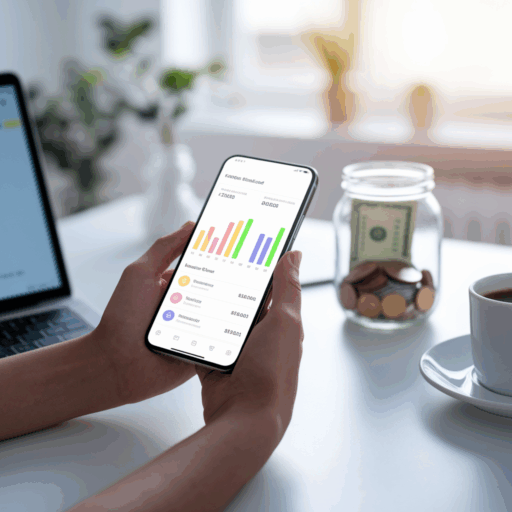
Feeling like you’re playing a guessing game with your own money? You’re not alone. For many of us, budgeting can feel like a chore—a confusing maze of spreadsheets, crumpled receipts, and mental math that never quite adds up. It’s a constant source of stress, leaving you wondering where your paycheck went just days after it arrived.
But what if you could trade that financial fog for crystal-clear clarity? Modern technology has transformed nearly every aspect of our lives, and personal finance is no exception. Financial applications have emerged as powerful allies, designed to automate the tedious work, provide instant insights, and put you firmly in the driver’s seat of your financial future.
Why Traditional Budgeting Methods Fall Short
Let’s be honest: the old-school methods of budgeting are difficult to maintain. A meticulously crafted spreadsheet is impressive, but it’s only as good as the last time you updated it. Manually entering every coffee purchase, gas fill-up, and grocery run is time-consuming and prone to human error. Did you forget that online subscription or the cash you pulled from the ATM?
These small omissions add up, creating a budget that doesn’t reflect reality. This leads to frustration and, for many, the decision to abandon budgeting altogether. This is the fundamental problem that financial apps solve. They bridge the gap between your intentions and your actions by providing an automated, real-time look at your financial life.
The Core Benefits of Using a Financial App
Moving from a manual system to a dedicated app isn’t just a small upgrade; it’s a complete paradigm shift in how you manage your money. The benefits are immediate and impactful, helping you build healthier financial habits with minimal effort.
Automated Expense Tracking: Know Where Your Money Goes
The single most powerful feature of most budgeting apps is their ability to securely link to your bank accounts, credit cards, and loans. Instead of you manually logging transactions, the app does it for you. It automatically imports your spending and uses smart technology to categorize each item. That $5 latte is filed under “Coffee Shops,” and your Netflix bill goes into “Entertainment.” Suddenly, you have a precise, up-to-the-minute breakdown of your spending habits without lifting a finger.
A Real-Time Financial Snapshot
How much money do you really have left to spend this month? With a financial app, the answer is always in your pocket. You no longer have to wait for a monthly statement or log into multiple banking websites to piece together your financial health. A quick glance at the app’s dashboard can show you your account balances, recent transactions, and progress toward your budget goals. This immediate feedback loop is crucial for making smarter spending decisions on the fly.
Simplified Goal Setting and Tracking
Saving for a down payment, a vacation, or paying off student loan debt can feel like a monumental task. Financial apps break these large goals into manageable steps. You can create specific savings goals, and the app will track your progress automatically. Seeing that progress bar inch closer to 100% provides powerful motivation to stay on track and celebrate small victories along the way.
Bill Management and Due Date Reminders
Late fees are an unnecessary drain on your finances. Many applications help you avoid them by identifying recurring bills and sending you reminders before they’re due. Some even allow you to pay your bills directly from the app. This feature not only saves you money but also protects your credit score from the negative impact of missed payments.
Choosing the Right Budgeting App for Your Needs
With a sea of options available, finding the perfect app can seem daunting. The key is to match the app’s philosophy and features to your personal financial style. Some people need a strict, hands-on approach, while others prefer a more automated, set-it-and-forget-it system. Below is a comparison to help you identify what might work best for you.
| Feature Focus | Ideal For | Budgeting Philosophy |
|---|---|---|
| All-in-One Management | Users who want a holistic view of their net worth, including investments and property. | Big-picture financial health and wealth tracking. |
| Zero-Based Budgeting | Detail-oriented users who want to proactively assign a “job” to every single dollar they earn. | Proactive and highly intentional spending. |
| Simple Expense Tracking | Beginners who are primarily focused on understanding where their money is going. | Awareness and passive monitoring of spending habits. |
| Automated Savings | Users who struggle to save consistently and want the app to do the heavy lifting for them. | “Pay yourself first” by using algorithms to find and save spare change. |
Getting Started: A Simple 3-Step Guide
Jumping into the world of financial apps is easier than you think. Follow these simple steps to get on the path to financial clarity.
- Define Your “Why”: Before you download anything, ask yourself what you want to achieve. Do you want to pay off credit card debt? Save for a car? Stop living paycheck to paycheck? Having clear goals will help you choose the right tool and stay motivated.
- Connect Your Accounts Securely: Choose a reputable app and begin linking your financial accounts. Most major apps use bank-level security and services like Plaid to create a secure, read-only connection, meaning the app can see your transactions but cannot move your money.
- Review and Refine: For the first few weeks, spend 10 minutes a week reviewing how the app categorized your spending. You may need to make some adjustments to teach the app your habits. This initial time investment pays off immensely by ensuring your data is accurate going forward.
Beyond Budgeting: Advanced Features to Look For
The best financial applications offer more than just simple income and expense tracking. As you become more comfortable, you can leverage these advanced features to gain even deeper control over your financial life.
- Credit Score Monitoring: Keep an eye on your credit score and learn about the factors that influence it. Understanding your credit is essential for major life purchases, and the Federal Trade Commission provides resources to help.
- Subscription Management: Many apps can identify all your recurring subscriptions, helping you spot services you no longer use and can easily cancel.
- Net Worth Tracking: Get a complete picture of your financial standing by tracking all your assets (cash, investments, property) and liabilities (loans, credit card debt) in one place.
- Customizable Reports: Dive deep into your spending habits with detailed reports and visualizations that show you trends over time.
Take Control of Your Finances Today
Financial applications are more than just fancy calculators; they are empowerment tools. They demystify the budgeting process, replacing anxiety with confidence and confusion with clarity. By automating the grunt work, they free you up to focus on what truly matters: making intentional decisions that align with your long-term goals.
The journey to financial wellness begins with a single, simple step. By embracing this technology, you are not just adopting a new tool—you are adopting a new mindset. You’re choosing to be proactive, informed, and in control. A wealth of information from respected sources explains how financial applications can simplify your budget, providing a clear path to get started.