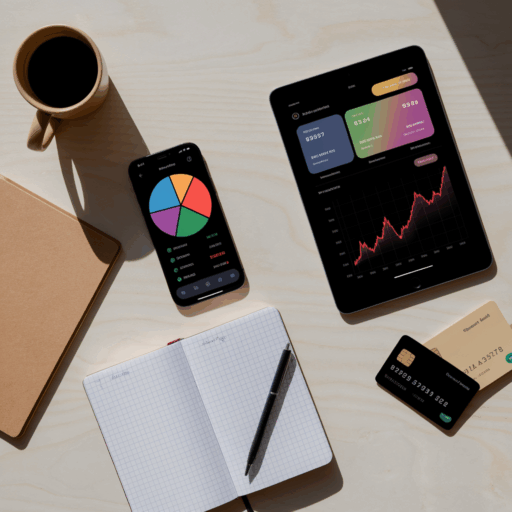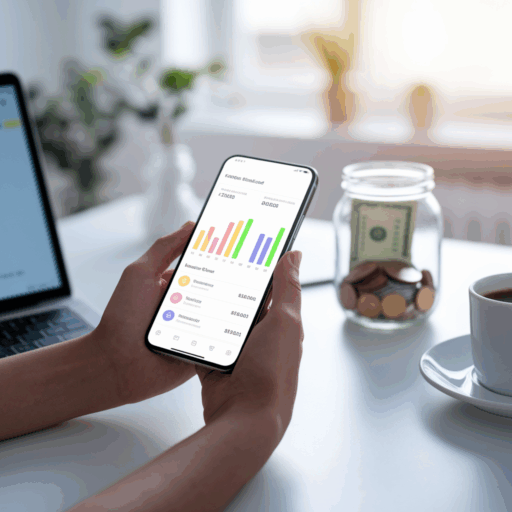
Stepping into the world of personal finance management can feel like navigating a maze. With thousands of applications on the App Store and Google Play all promising to simplify your financial life, the sheer number of options can be paralyzing for a beginner. It’s easy to get overwhelmed and just pick the first one you see.
However, the right tool can be a game-changer, transforming how you budget, save, and invest. The key is to find an app that aligns with your specific goals and habits, not the one that’s simply the most popular. This guide will help you cut through the noise and confidently select the perfect financial app for your needs.
What Are Your Financial Goals?
Before you even start browsing for apps, the most crucial step is to define what you want to achieve. A financial app is a tool, and you need to know what job you’re hiring it for. Most people’s needs fall into one of a few main categories.
Budgeting and Tracking Expenses
Is your primary goal to figure out where your money is going each month? If so, you need a budgeting app. These tools are designed to connect to your bank accounts and credit cards, automatically categorizing your transactions. This gives you a clear picture of your spending habits, helping you identify areas where you can cut back and stick to a budget. Look for features like customizable spending categories, bill reminders, and cash flow reports.
Saving for a Specific Goal
Perhaps you have a clear objective in mind, like saving for a down payment on a house, a vacation, or a new car. Some apps are specifically built to help you with goal-oriented saving. They often use clever psychological tricks to make saving easier, such as “round-up” features that save your spare change from purchases or tools that allow you to set up automated, recurring transfers to a savings account.
Investing for the Future
If you’re ready to start making your money work for you but don’t know where to begin, an investing app for beginners could be the perfect fit. These platforms simplify the process of entering the stock market. You can find micro-investing apps that let you invest small amounts of money, or you might prefer a robo-advisor, which uses algorithms to build and manage a diversified portfolio for you based on your risk tolerance.
Key Features to Look For in a Finance App
Once you’ve identified your primary goal, you can start comparing apps based on their features. Not all apps are created equal, and some functionalities are more important than others, especially for beginners.
- Ease of Use: The interface should be intuitive and easy to navigate. If you can’t figure out how to use the app in the first 10 minutes, you’re unlikely to stick with it.
- Bank Connectivity: A good app should securely connect to all of your financial accounts (checking, savings, credit cards, loans) to give you a complete financial picture. Most US-based apps use services like Plaid for this.
- Cost and Fees: Understand the pricing structure. Is the app free with ads? Is it a one-time purchase or a monthly subscription? Be wary of hidden fees, especially with investing apps, which may charge trading fees or a percentage of assets under management.
- Security: This is non-negotiable. The app must use high-level encryption to protect your data. Look for features like two-factor authentication (2FA) and biometric login (fingerprint or face ID) for an extra layer of protection.
- Customer Support: When you have an issue with your financial data, you want help to be readily available. Check if the app offers support through chat, email, or phone.
Comparing Popular Types of Financial Apps
To help you visualize the options, here is a breakdown of the common categories of financial applications.
| App Type | Primary Goal | Best For | Example Features |
|---|---|---|---|
| Budgeting Apps | Expense Tracking | Day-to-day money management and understanding spending habits. | Automatic transaction syncing, spending categories, bill reminders. |
| Micro-Investing Apps | Beginner Investing | People who want to start investing with very small amounts of money. | Round-up investments, fractional shares, recurring deposits. |
| Robo-Advisors | Automated Investing | Hands-off investors who want a professionally managed portfolio. | Portfolio rebalancing, tax-loss harvesting, goal-based plans. |
| All-in-One Apps | Holistic View | Users who want to see budgeting, saving, and investing in one place. | Net worth tracking, budget tools, integrated investment accounts. |
Making Your Final Choice
With your goals defined and features in mind, it’s time to make a decision. Start by reading recent reviews on trusted third-party sites and in your phone’s app store. See what other users are saying about the app’s reliability and customer service. Many of the best budgeting apps offer free trials or freemium versions, allowing you to test the functionality before committing to a subscription.
Don’t be afraid to try a few different options. What works for a friend might not be the right fit for you. The goal is to find a tool that empowers you to take control of your finances, not one that adds more stress to your life. Pay close attention to the security of financial apps, as you are trusting them with sensitive information.
Ultimately, selecting the right tool is a deeply personal process. By first understanding your own financial objectives and then carefully evaluating features, security, and cost, you’ll be well-equipped to find an application that serves as a valuable partner on your financial journey. For more information, there is an excellent guide to choosing financial apps and understanding how they work.