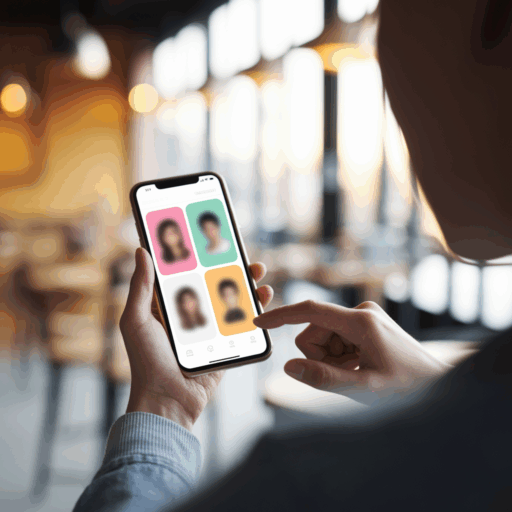
Dating apps have completely changed how we meet new people, making it easier than ever to connect with potential partners from the comfort of our own homes. While swiping right can lead to exciting new relationships, it’s also crucial to prioritize your personal safety in the digital dating world.
Navigating this landscape requires a mix of open-mindedness and caution. By adopting a few smart habits, you can protect yourself from scams, uncomfortable situations, and potential danger. These essential tips will empower you to enjoy the experience while keeping your well-being front and center.
Phase 1: Protecting Your Digital Identity
Before you even start swiping, the foundation of your safety begins with how you set up and manage your profile and initial conversations. This is your first line of defense.
1. Create a Cautious and Anonymous Profile
Think of your dating profile as a preview, not your entire life story. Avoid using your full name, personal email, or phone number in your public bio. Similarly, be careful with your photos. A picture taken in front of your house or office could inadvertently reveal your location. Use photos that showcase your personality without giving away specific, identifiable details about where you live or work.
2. Keep Conversations on the Platform
When you first match with someone, keep your conversation within the dating app’s messaging system. Scammers often try to move you to a private messaging app like WhatsApp or text message immediately. Staying on the platform provides a layer of protection, as many apps have systems to detect and block suspicious accounts. Don’t share your phone number until you’ve established a reasonable level of trust.
3. Do a Little Vetting
It’s not snooping; it’s smart. If someone provides their name, a quick search on social media can be very revealing. Check if their profile seems genuine and if their details match what they’ve told you. A person with very few photos, no friends, or a brand-new profile could be a red flag. This simple step can help you verify that the person you’re talking to is who they claim to be.
Phase 2: Verifying the Connection and Spotting Red Flags
Once the conversation is flowing, the next step is to ensure the connection is genuine before you even consider meeting in person. This phase is all about observation and trusting your instincts.
4. Insist on a Video Call First
A video call is one of the most effective safety tools at your disposal. It confirms the person looks like their pictures and gives you a much better sense of their vibe and personality than text messages can. If someone consistently makes excuses to avoid a video call, it’s a major red flag. This pre-meeting check can save you from being “catfished” or wasting your time.
5. Recognize and Trust the Red Flags
Your intuition is a powerful guide. Pay close attention to behaviors that seem off. Below is a quick comparison of common green and red flags to watch for during your chats.
| Green Flags (Good Signs) | Red Flags (Warning Signs) |
|---|---|
| Respects your boundaries and pace. | Pressures you to move too fast or share personal info. |
| Answers questions directly and consistently. | Is vague, evasive, or has a story with inconsistencies. |
| Is willing to have a video call. | Makes excuses to avoid showing their face. |
| Talks about a variety of interests. | Immediately professes strong feelings or love (“love bombing”). |
| Engages in a balanced conversation. | Asks for money, gift cards, or financial help for any reason. |
6. Don’t Share Financial Information
This should be a non-negotiable rule. Never send money, share credit card details, or give out any financial information to someone you’ve only met online. Scammers are experts at creating elaborate stories to elicit sympathy and money. The FBI’s Internet Crime Complaint Center (IC3) regularly warns about the prevalence of these romance scams.

Phase 3: The First In-Person Meeting
You’ve done your homework and feel ready to meet. This is an exciting step, but your focus on safety should be at its peak.
7. Meet in a Public Place—Always
For the first few dates, always choose a public location where other people are present, like a busy coffee shop, restaurant, or park during the daytime. Avoid meeting at your home, their home, or any secluded location.
8. Tell a Friend Your Plans
Inform a trusted friend or family member about your date. Share details including:
- Your date’s name and a screenshot of their profile.
- The exact location where you are meeting.
- The time you plan to meet.
- Arrange to send them a text when you arrive and when you’re home safely.
9. Arrange Your Own Transportation
Maintain control over your own mobility. Drive yourself, take a rideshare, or use public transportation to get to and from the date. Don’t accept a ride from your date until you know them much better. This ensures you can leave whenever you want to, without depending on them.
10. Stay Sober and Watch Your Belongings
While a drink might help ease the nerves, it’s wise to limit your alcohol consumption so you can stay alert and aware of your surroundings. Never leave your drink or personal belongings, like your phone or wallet, unattended.
11. Keep Personal Info Private
Even if the date is going well, hold off on sharing overly personal details like your home address or specific workplace information. You can talk about the neighborhood you live in or the industry you work in without giving specific, private details. There’s plenty of time to share more as trust builds.
12. Don’t Be Afraid to Leave
If at any point during the date you feel uncomfortable, unsafe, or just not feeling it, you have every right to end it and leave. You don’t owe anyone an explanation. A simple “It was nice meeting you, but I should get going” is enough. Your safety and comfort are the top priorities.
Online dating can be a fantastic way to meet a compatible partner, and it shouldn’t be a source of fear. By being proactive and mindful, you can confidently navigate the scene and focus on making genuine connections. For more in-depth guidance, the Federal Trade Commission provides excellent resources on staying safe on dating apps and avoiding common scams.